Empowering Your Journey: Essential Cancer Care Insights and Survivor Stories
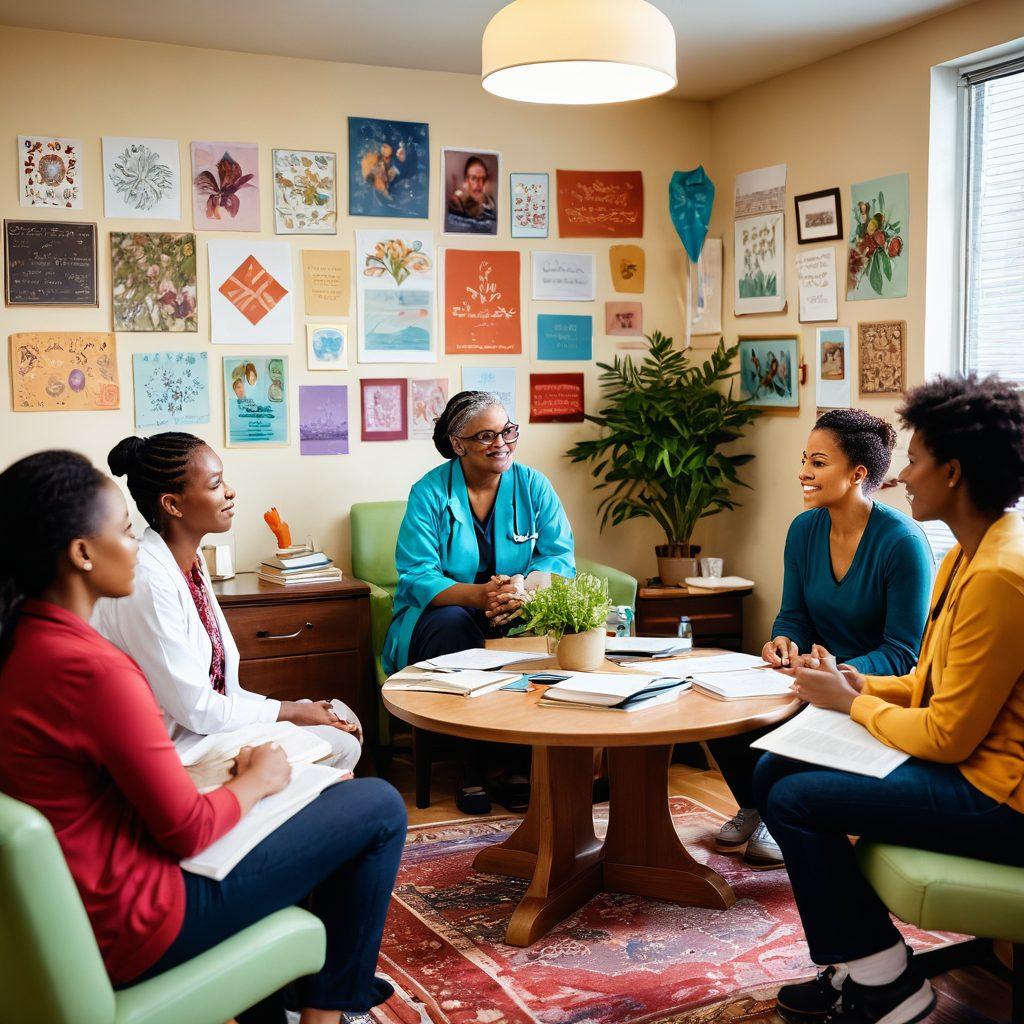
Navigating the cancer care landscape can feel like wandering through a thick fog. You’ve just been diagnosed with a malignancy, and suddenly you're faced with a flood of information. Where do you start? How do you find the right cancer treatment options? As you dive into medical blogs and patient support resources, remember that you are not alone on this journey. Countless survivor stories are out there, full of hope and resilience. There’s a glimmer of light; understanding this landscape is possible.
Consider Jane, a vibrant woman who was diagnosed with breast cancer at 45. Her journey began in a similar way, filled with confusion. She recalls the moment she first heard the word ‘tumor’—it felt like a cold hand gripping her heart. But instead of allowing fear to paralyze her, Jane sought out cancer information and connected with support groups. She learned about different cancer treatment options, including immunotherapy and surgery, and made informed decisions about her care. Her ability to share her story is a beacon of hope for many who are struggling.
Understanding the often complex world of oncology requires more than just knowledge; it involves engaging with the experiences of others, learning about holistic health, and embracing lifestyle changes. Have you ever experienced a moment that shifted your perspective? For many survivors, it’s the realization that their health journey can inspire others. By participating in clinical trials, they contribute to essential research that shapes future cancer care. The stories they share foster a sense of community, where everyone learns and grows together, empowering one another along the way.
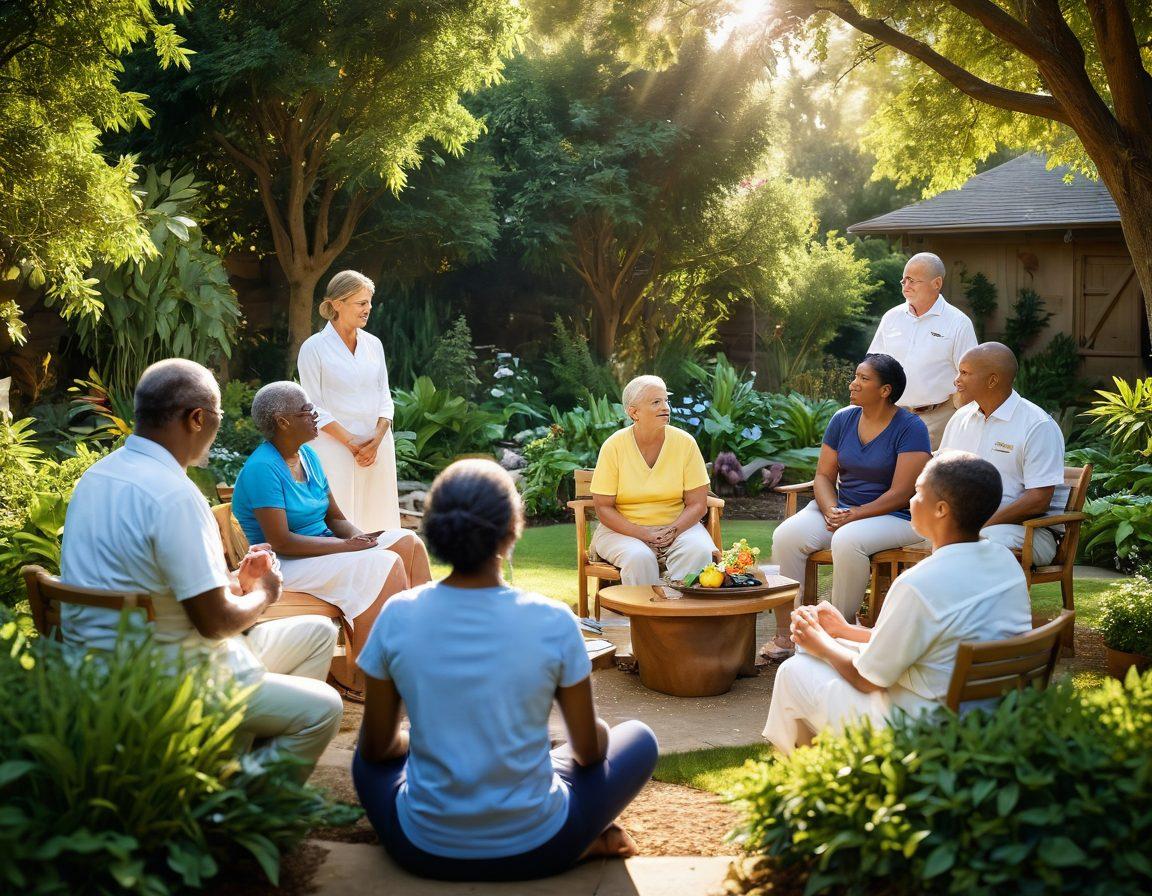
Symptom management becomes a crucial part of living with a chronic illness, as evidenced by John, a prostate cancer survivor. He focused not only on physical treatment like radiation therapy and chemotherapy but also on enhancing his mental health. Simple practices like meditation and spending time in nature became integral to his recovery resources. This underscores the importance of integrating supportive therapies into one's cancer care plan, as they can help mitigate side effects while promoting emotional well-being. Remember that cancer prevention doesn’t finish when treatment ends; it evolves into a lifelong commitment to healthy living.
While navigating through treatment and recovery, it's essential to seek out valuable health education. Whether it’s through workshops, webinars, or articles about alternative therapies, approaching your cancer journey with curiosity can be transformational. Ask questions—like whether dietary changes could complement your recovery or how nutritional support can bolster your immune system. Use this knowledge to propel you forward. Your experiences, whether as a patient or a caregiver, can pave the way for advocacy and change. Will you share your story and help another individual find their path?
Empowering Patients: Essential Resources for Cancer Treatment and Support
Empowerment starts with knowledge, especially when navigating the complex world of cancer care. Whether you're a newly diagnosed patient, a seasoned survivor, or a loved one supporting someone in their battle against malignancy, having the right resources at your fingertips can make all the difference. The journey of cancer treatment is seldom straightforward; however, understanding your options can empower you to make informed decisions about your health. If you've ever wondered, 'What are my cancer treatment options?', you're not alone.
In the realm of oncology, information is key. There are countless avenues to explore when it comes to cancer care, from traditional methods like chemotherapy and radiation therapy to innovative treatments like immunotherapy. But how do you discern which path is right for you? That's where valuable resources come into play. Health education is the foundation upon which informed decisions are built. Joining support groups or accessing patient support networks can provide a wealth of cancer information that can guide you in selecting the treatment that suits you best while also addressing 'how to manage symptoms' effectively.
Consider the story of Jane, a breast cancer survivor who faced her diagnosis with fierce determination. She discovered that along with traditional therapies, she could adopt lifestyle changes that significantly improved her quality of life. By integrating healthy living practices and nutritional support into her daily routine, Jane not only improved her physical health but also tended to her mental health. Her story reinforces the importance of holistic health and highlights how a multi-faceted approach can aid recovery, making it clear that cancer care extends beyond the clinic.
As you consider your or your loved one’s journey through cancer, remember that clinical trials might offer additional treatment options that are worth exploring. For many, the prospect of participating in innovative studies can be a beacon of hope. Imagine being part of groundbreaking research that might pave the way for better cancer treatments in the future! However, it's crucial to research and understand what these trials entail. Resources such as medical blogs dedicated to chronic illness can equip you with this essential knowledge, guiding you toward making empowered decisions about your care.
Finally, let us not underestimate the power of community and connection. Having a network of support can provide emotional reassurance and invaluable insights into living with cancer. Whether through local support groups or online forums, the stories shared by fellow survivors can serve as both inspiration and practical guidance on navigating the complexities of cancer treatment and recovery. As you embark on this journey, ask yourself: ‘What resources have I encountered, and how can they empower my or my loved one’s experience?’ After all, every step taken towards understanding cancer care and prevention brings you closer to reclaiming control over your health and well-being.
From Diagnosis to Survival: Stories of Hope and Healthy Living in Oncology
Imagine walking through a foggy forest, unsure of the path ahead, and suddenly, you stumble upon a clearing filled with sunlight and flowers—this moment mirrors the journey many face when confronted with a cancer diagnosis. The word 'cancer' often triggers a sense of dread, conjuring images of malignancy, invasive tumors, and a long road laden with uncertainty. Yet, amid the shadows, stories of hope emerge, illuminating the profound resilience of the human spirit. In the realm of oncology, where treatment options range from radical surgery to cutting-edge immunotherapy, we find survivors who not only navigate their battles but emerge equipped with invaluable lessons in healthy living, heartening many who find themselves lost in the initial diagnosis. Understanding the multifaceted world of cancer care is pivotal. Did you know that approximately 60% of cancer patients research their illness online looking for cancer information, supportive communities, or even alternative therapies? Through medical blogs and support groups, patients can unite with others who are on similar paths, sharing insights about symptom management, lifestyle changes, and radiation therapy options. “In this digital age, connection is the key,” says Sarah, a cancer survivor. Her words echo the sentiments of many—fostering relationships can provide not only support but also enrich personal narratives of healing and hope. Cancer treatment options often leave patients overwhelmed, yet the stories of those who walked this path reveal numerous strategies to manage not just physical but also mental health throughout the journey. From chemotherapy-induced nausea to feelings of isolation during recovery, the emotional toll can be as taxing as the illness itself. Survivors recommend cultivating strong networks and seeking out recovery resources—whether through professional counseling, group therapy, or by simply gathering with friends. As John, a leukemia survivor, reflects, “It was my friends who kept me laughing through the dark times.” These testimonies remind us that healing isn’t merely a clinical process but also an emotional one. With an ever-evolving landscape of oncology—encompassing clinical trials and newer therapies like immunotherapy—the importance of health education becomes increasingly clear. Survivors emphasize the significance of informed decision-making regarding treatment, nutritional support, and alternative therapies to bolster their strength. Instilling a proactive approach to cancer prevention can transform the patient experience. Learning how diet impacts recovery or how mindfulness can ease anxiety brings powerful tools into the hands of those fighting. For many, it begins with simple yet transformative lifestyle changes—like incorporating holistic health practices that encourage balance and wellbeing in daily life. Ultimately, the path from diagnosis to survival is woven with rich stories, each unique yet interconnected. It's about the legacy of resilience, the friendships forged in support groups, and the hope found in survivor stories. Whether you or someone you love is facing cancer, remember: every challenge is an opportunity to learn and grow. The road may be uneven, but with comprehensive cancer care and a community of support, the journey towards recovery becomes less daunting. How will you empower your journey or the journey of someone you love?